


 ภาษา
ภาษา
ความทนทานและความสง่างาม: คู่มือสำคัญในการดูแลรักษาโต๊ะรับประทานอาหารด้วยเก้าอี้หนัง
โพสต์โดย ผู้ดูแลระบบ | 04 Dec
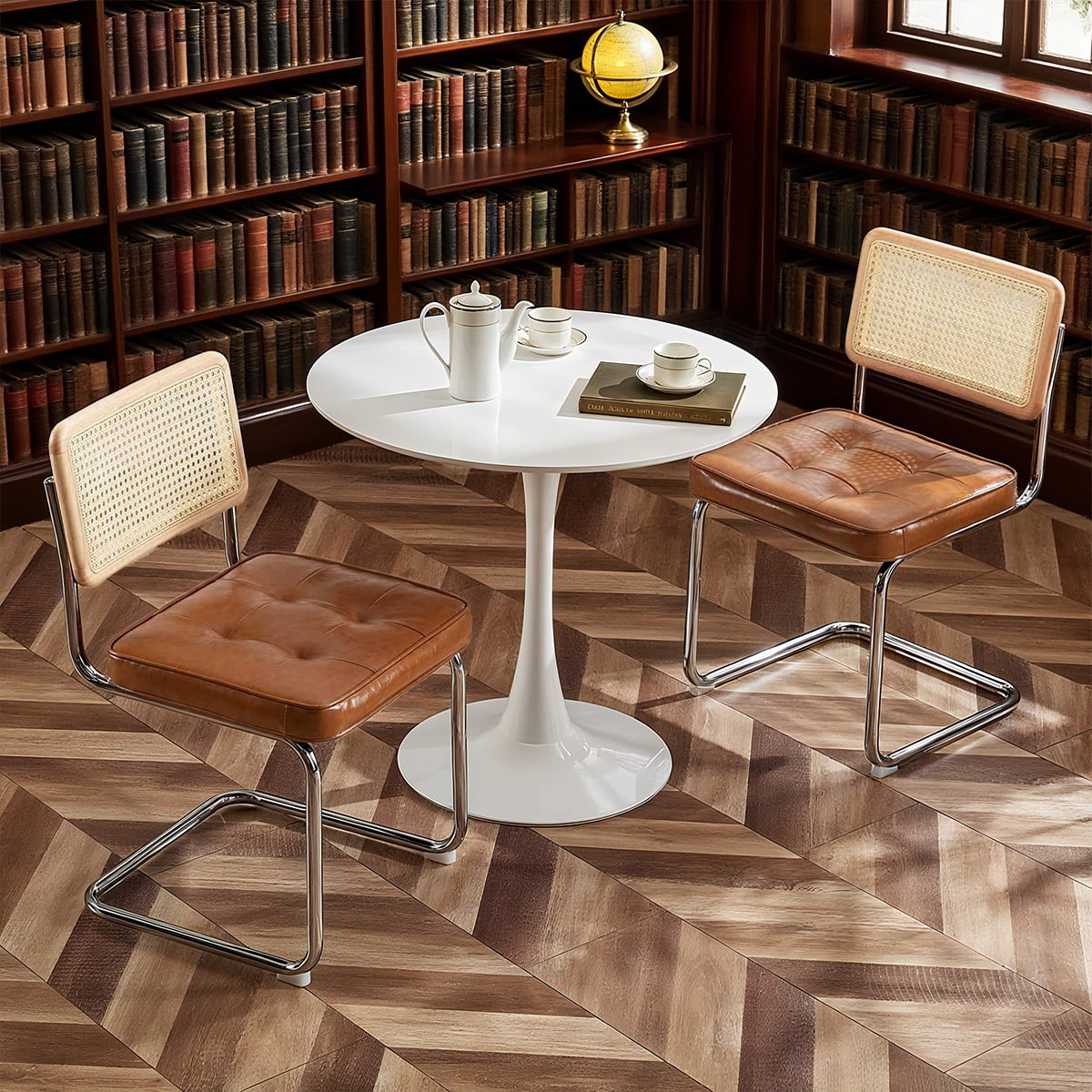
For high-end contract furniture buyers and discerning retailers, the durability and maintenance profile of ** leather side chairs dining ** are as critical as the aesthetic design. Dining environments expose seating to high risks from food spills, oil, and liquid splatters. A deep technical understanding of leather finishes—especially the differences between Aniline and Semi-Aniline—is paramount for educating clients on maintenance and ensuring product longevity.
Understanding Leather Finishes: Aniline vs. Semi-Aniline
The type of finish applied to the leather dictates its resistance to stains, light, and wear.
Aniline vs Semi-Aniline leather stain resistance for dining Analysis
- **Aniline Leather:** Dyed only, with no protective pigment or topcoat. It retains the natural beauty, softness, and texture (or "hand") of the hide. However, this porosity means it offers virtually no inherent barrier against spills, making it highly susceptible to absorption and permanent staining.
- **Semi-Aniline Leather:** Retains most of the natural texture but features a light coat of pigment and a clear protective finish. This layer significantly improves surface stability and resistance, a key factor in the Aniline vs Semi-Aniline leather stain resistance for dining comparison, making it a pragmatic choice for dining areas.
Performance Contrast: Absorbency, Protection, and Color Fastness
The contrast in performance is stark: Aniline leather is highly absorbent and susceptible to water and oil stains, requiring immediate attention. Semi-Aniline, due to its protective topcoat, blocks most liquid penetration, drastically reducing the risk of permanent discoloration and improving color consistency.
Performance Comparison of Leather Finishes Table
| Feature | Aniline Leather | Semi-Aniline Leather |
|---|---|---|
| Natural Look/Hand | High (No Pigment) | Moderate (Light Pigment/Topcoat) |
| Stain/Spill Resistance | Very Low (Highly Absorbent) | Good (Protective Barrier) |
| Fading Resistance (UV) | Low | Good (Pigment offers protection) |
| Ideal Use for Dining | Low-Use, Formal Settings | High-Use, Everyday Settings |
Proactive Protection: Addressing Oil and Grease Contamination
Oil and grease from food or human hands pose the most common and challenging threats to dining chair leather.
Strategies for Protecting leather dining chairs from oil and grease
- **Immediate Action:** Any oil or grease spill must be treated immediately using an absorbent material (like talcum powder or cornstarch) to draw the grease out before it is fully absorbed.
- **Professional Sealants:** Applying a high-quality, professional-grade leather protector or sealant is the most effective strategy for Protecting leather dining chairs from oil and grease . These products create a microscopic barrier that prevents hydrophobic substances from penetrating the leather's fibers.
The Role of Protective Coatings and Sealants
For Semi-Aniline and Pigmented leathers, the factory-applied topcoat serves as the first line of defense. However, this coating wears down over time. Periodic reapplication of a polymer-based leather sealant is necessary to restore the protective layer, extending the furniture's effective life in high-traffic areas.
Daily Care Protocols and Stain Removal
Establishing a routine cleaning protocol is essential for long-term satisfaction and maintaining the chair's aesthetic appeal.
Daily maintenance tips for high-traffic leather dining furniture
- Routine dusting with a soft cloth prevents abrasive particle buildup. For dining chairs, a weekly wipe-down with a slightly damp (distilled water) cloth is recommended to remove light surface grime and prevent the accumulation of oils, forming the basis of effective Daily maintenance tips for high-traffic leather dining furniture .
- Avoid placing chairs in direct sunlight or too close to heat sources, which can dry out and crack the leather.
Selecting the Best cleaning products for leather side chairs dining
The selection of cleaning agent must strictly match the leather finish. Always use pH-neutral, water-based cleaners specifically formulated for leather. Avoid harsh chemicals, household detergents, solvents, or abrasive tools, as these can permanently damage the protective topcoat or dry out the leather. Using the Best cleaning products for leather side chairs dining is a function of matching the cleaner's composition to the leather's surface chemistry.
Mitigating Environmental Damage: Light and Fading
Ultraviolet (UV) radiation is the primary cause of color degradation in leather.
Technical Methods for Preventing fading in pigmented leather side chairs
- Pigmented (protected) leathers are inherently more resistant to UV fading because the opaque color layer reflects and absorbs UV light before it reaches the hide's fibers. This strategy is key to Preventing fading in pigmented leather side chairs .
UV Resistance in Pigmented vs. Unfinished Leathers
Aniline (unfinished) leathers fade quickly and unpredictably because the dye molecules are exposed directly to UV light. Pigmented leathers, while not entirely immune, feature UV stabilizers within the pigment and topcoat, drastically extending the color fastness and maintaining aesthetic integrity over time.
Anji Duomei: Quality and Reliability in Contract Furniture
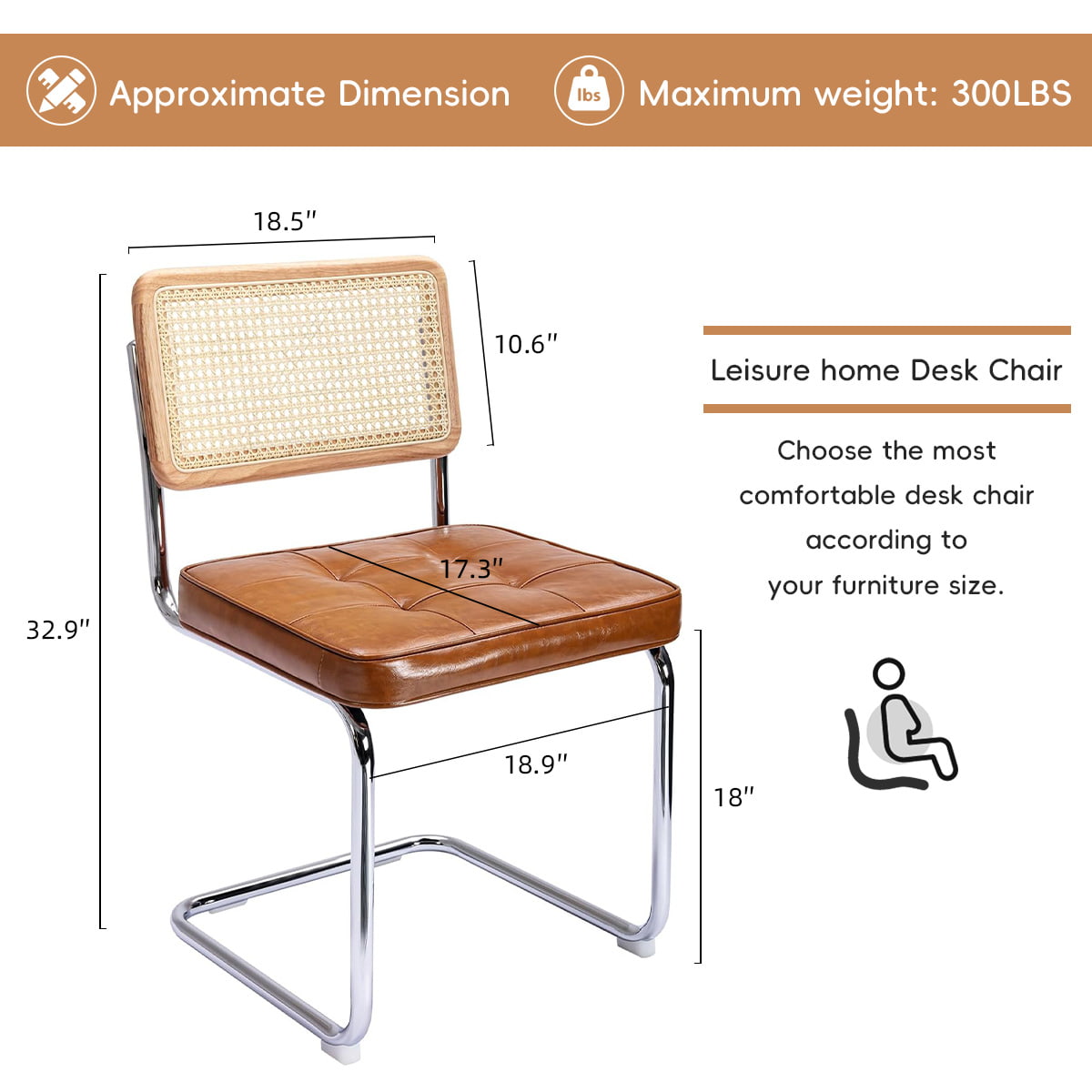
Anji Duomei Intelligent Furniture Technology Co., Ltd., located in the heart of China's swivel chair metropolis in Anji County, specializes in producing and exporting high-quality contract furniture, including leisure, bar, and swivel chairs since 2014. With a commitment to "quality is the life of the enterprise" and a holistic business policy, our modern facility spans 4000 square meters. We welcome OEM and ODM collaboration, providing expertise in sourcing requirements and ensuring our finished **leather side chairs dining** meet high standards for durability and finish. We guide our customers on the nuances of Aniline vs Semi-Aniline leather stain resistance for dining and provide the necessary information for Protecting leather dining chairs from oil and grease , ensuring the long-term quality and appeal of our products.
Frequently Asked Questions (FAQ)
1. What is the main drawback of Aniline leather for leather side chairs dining ?
Aniline leather lacks a protective topcoat, making it highly porous and extremely susceptible to absorbing liquids, oils, and grease, leading to permanent staining—a major consideration in the Aniline vs Semi-Aniline leather stain resistance for dining analysis.
2. What is the most effective proactive strategy for Protecting leather dining chairs from oil and grease ?
The most effective strategy is the immediate application of an absorbent powder (like cornstarch) to draw the grease out, combined with the periodic reapplication of a professional, polymer-based leather sealant.
3. What kind of product should be selected among the Best cleaning products for leather side chairs dining ?
Only use pH-neutral, water-based cleaners specifically formulated for leather. Avoid standard household chemicals, detergents, or solvents as they can strip the protective finish or dry out the leather permanently.
4. What are the key Daily maintenance tips for high-traffic leather dining furniture ?
Key tips include weekly light dusting or wiping with a soft, slightly damp cloth (using distilled water) to remove surface grime and hand oils, and avoiding direct sunlight exposure.
5. How do manufacturers achieve Preventing fading in pigmented leather side chairs ?
Fading is prevented by using pigmented finishes that incorporate opaque color and UV stabilizing agents in the pigment layer and topcoat, which shields the underlying hide and dye from ultraviolet radiation.
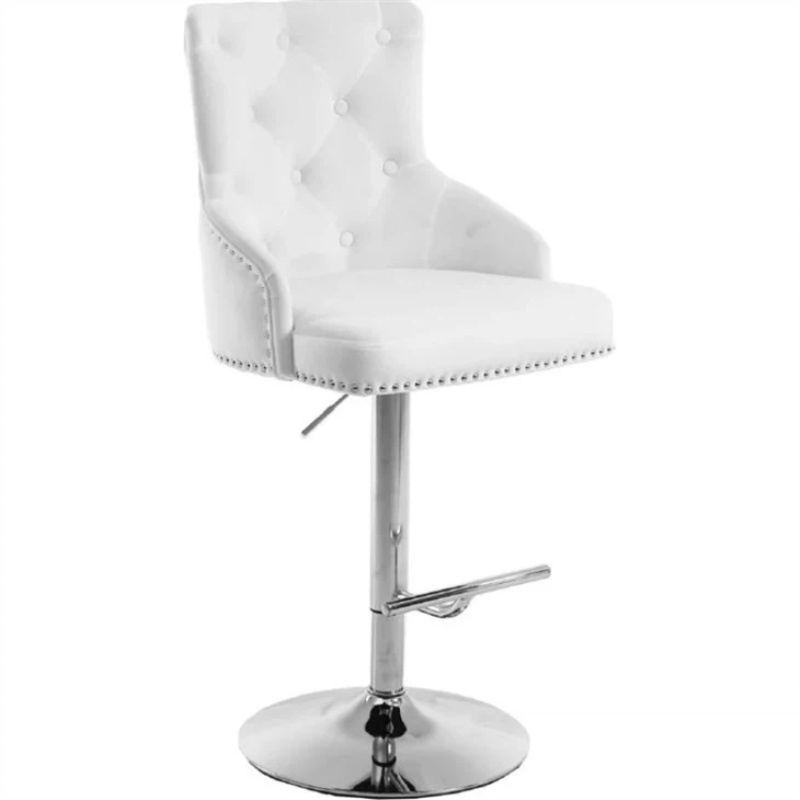
ผลิตภัณฑ์ที่เกี่ยวข้อง
-
 Yangguang Industrial Park 2, Anji County, Huzhou City, Zhejiang Province, China
-
 [email protected]
[email protected]
[email protected]
[email protected] -
 +86-18357268872
รหัส QR

